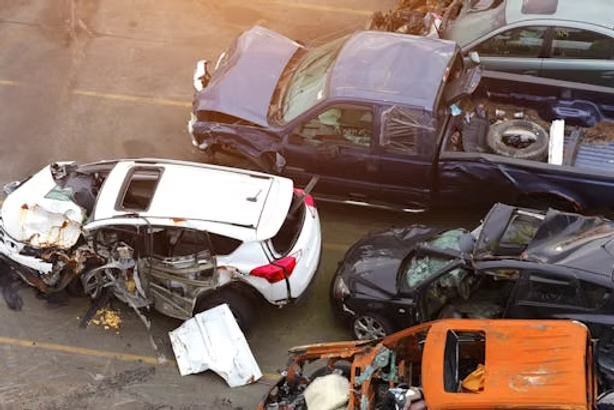


If you have been injured in a car accident in Roanoke, understanding how Virginia’s at-fault system works is critical to protecting your right to compensation. Virginia follows a fault-based model for car accident claims, meaning the driver who caused the collision is financially responsible for resulting injuries and property damage. This system affects every stage of your case, from filing an insurance claim to pursuing a lawsuit, and carries unique risks that drivers in most other states do not face. Knowing how fault is determined, what defenses insurers may raise, and what deadlines apply can make the difference between recovering fair compensation and walking away with nothing.
If you were hurt in a crash and need guidance navigating Virginia’s fault-based system, Altizer Law is here to help. Call 540-345-2000 or reach out online to discuss your options.
How Virginia’s At-Fault System Works for Car Accident Claims
Virginia operates under a fault-based insurance system, which means the person who caused an accident bears liability for the damages. After a collision in Roanoke, the injured party can file a claim with the at-fault driver’s insurance, file through their own insurer (who may then pursue the at-fault party), or bring a civil lawsuit directly. Virginia law provides the statutory framework for personal injury and property damage actions governing how these claims proceed.
The burden falls on the injured person to prove that the other driver was negligent. This means establishing four elements: that the other driver owed a duty of care, breached that duty, that the breach caused the collision, and that the collision resulted in actual damages. Insurance companies representing the at-fault driver will often push back aggressively, looking for any reason to deny or reduce the claim. Gathering strong evidence early, including photos, witness statements, and medical records, is critical to proving fault.
💡 Pro Tip: After any collision, document everything at the scene if you are physically able. Photographs of vehicle damage, road conditions, traffic signals, and visible injuries can become powerful evidence when proving fault later.

Why Contributory Negligence Is a Major Risk for Roanoke Drivers
Virginia follows the doctrine of contributory negligence, which is one of the strictest fault rules in the country. Under this rule, if you contributed to the accident in any way, even minimally, you may be completely barred from recovering damages. A plaintiff who was only 1% at fault can receive nothing from a defendant who was 99% at fault. Most states have adopted comparative negligence, which reduces recovery in proportion to fault. Virginia, however, remains one of the few states that still applies contributory negligence as the default rule.
This makes your actions before, during, and after a collision critically important. Insurance adjusters defending at-fault drivers frequently look for any evidence that you were partly to blame, whether it involves speeding, distracted driving, or failing to wear a seatbelt. Even a minor contributing factor can be used to argue that you should recover nothing.
The Last Clear Chance Exception
There is a narrow but important exception to the contributory negligence bar known as the "last clear chance" doctrine. Under this doctrine, a negligent plaintiff may still recover if the defendant had the last clear opportunity to avoid the accident through reasonable care and failed to do so. For example, if you were jaywalking but the other driver saw you in plenty of time to stop and chose not to brake, the last clear chance doctrine may preserve your claim. Courts apply this exception case-by-case, and the plaintiff bears the burden of proof.
💡 Pro Tip: Never give a recorded statement to the other driver’s insurance company without first speaking to a car accident lawyer in Roanoke. Adjusters may use your own words to argue contributory negligence and defeat your entire claim.
Filing Deadlines That Every Roanoke Driver Should Know
Virginia law imposes strict deadlines for filing car accident lawsuits, and missing them can permanently eliminate your right to compensation. For personal injury claims, you generally must file within two years after the collision. For wrongful death actions, the personal representative must bring the lawsuit within two years after the date of death. These deadlines apply regardless of how strong your case may be.
Property damage claims carry a longer filing window of five years. However, waiting is unwise. Evidence deteriorates, witnesses become harder to locate, and memories fade. The sooner you take action, the stronger your position will be.
Tolling for Minors and Incapacitated Persons
In limited circumstances, the filing deadline may be paused, or "tolled." Virginia law recognizes that certain legal disabilities, including minority (being under 18) and incapacity, can toll the limitations period. This means the clock may not begin running until the disability is removed. Courts interpret these tolling exceptions narrowly, so you should not assume they apply without consulting an attorney.
| Claim Type | General Filing Deadline | Key Notes |
|---|---|---|
| Personal Injury | 2 years from accrual | Applies to most car accident injury claims |
| Wrongful Death | 2 years from date of death | Must be filed by the personal representative |
| Property Damage | 5 years from accrual | Covers vehicle and other property losses |
| Tolling (minors/incapacity) | Deadline paused during disability | Courts apply tolling exceptions narrowly |
💡 Pro Tip: Even if you believe you have years to file, critical evidence can disappear within weeks. Surveillance footage gets overwritten, skid marks fade, and vehicles are repaired or scrapped. Acting quickly helps preserve your case.
What Compensation Can You Pursue After a Roanoke Car Accident?
Injured drivers in Roanoke may be entitled to several categories of damages depending on the severity of the crash. These commonly include medical expenses, lost wages, pain and suffering, and property damage. In wrongful death cases, surviving family members may also recover funeral costs, loss of companionship, and the decedent’s lost future earnings.
Virginia law protects injured plaintiffs through the collateral source rule. Under this rule, damages awarded to an injured party cannot be reduced simply because that party received compensation from an independent source, such as health insurance, disability benefits, or sick pay. This means the at-fault party cannot argue that your damages should be lowered because you had other coverage. This rule ensures the responsible driver bears the cost of the harm they caused.
Shared Liability Among Multiple At-Fault Parties
When more than one party shares responsibility for a crash, Virginia law allows contribution among joint tortfeasors in certain circumstances. This right of contribution applies in negligence cases but not to cases involving willful or intentional misconduct. A release or settlement with one at-fault party does not discharge other liable parties. However, any recovery against the remaining parties may be reduced by the amount already paid in settlement. If you were involved in a multi-vehicle accident on Interstate 581 or another busy Roanoke corridor, understanding shared liability is essential to maximizing your recovery.
💡 Pro Tip: If multiple parties may share fault for your accident, do not accept a settlement from one insurer without understanding how it could affect your claims against the others. An experienced Roanoke auto accident attorney can help you evaluate the full picture.
How a Car Accident Lawyer in Roanoke Can Protect Your Claim
Navigating Virginia’s at-fault system without legal guidance can put your recovery at serious risk. The contributory negligence bar, aggressive insurance tactics, and strict filing deadlines create a landscape where a single misstep can cost you everything. A car accident lawyer in Roanoke who understands Virginia accident fault rules can investigate the collision, gather and preserve evidence, handle communications with insurers, and build a strong case on your behalf.
Legal representation is particularly valuable when liability is disputed or injuries are severe. Insurance companies have teams of adjusters and defense attorneys working to minimize what they pay. Having someone in your corner who is prepared to negotiate firmly and, if necessary, take your case to trial can significantly affect the outcome. You can learn more about Virginia’s no-fault vs. at-fault distinction to better understand why having an advocate matters.
💡 Pro Tip: Keep a detailed journal of your symptoms, medical appointments, and how your injuries affect your daily life. This personal record can serve as compelling evidence of pain and suffering when calculating your damages.
Frequently Asked Questions
1. What does it mean that Virginia is an at-fault state for car accidents?
It means the driver who caused the accident is financially responsible for the resulting damages. The injured party must prove the other driver’s negligence to recover compensation through an insurance claim or civil lawsuit.
2. Can I still recover damages if I was partially at fault for the crash?
Under Virginia’s contributory negligence rule, even a small degree of fault on your part may bar your recovery entirely. This is one of the strictest standards in the nation. However, the last clear chance doctrine may apply in limited situations where the defendant had the final opportunity to avoid the harm.
3. How long do I have to file a car accident lawsuit in Roanoke?
Personal injury claims generally must be filed within two years from the date of the accident. Property damage claims carry a five-year window. These deadlines may be tolled in narrow circumstances, such as when the injured person is a minor.
4. Will my compensation be reduced if I have health insurance or disability benefits?
Generally, no. Virginia’s collateral source rule prevents the at-fault party from reducing your damages simply because you received compensation from an independent source. Your damage award remains intact regardless of outside benefits.
5. What should I do immediately after a car accident in Roanoke?
Prioritize your safety and call law enforcement to document the scene. Exchange information with the other driver, take photographs, and seek medical attention as soon as possible. Avoid discussing fault at the scene or with the other driver’s insurer before consulting an attorney.
Take the Next Step to Protect Your Rights After a Roanoke Car Accident
Virginia’s at-fault system places significant responsibility on injured drivers to prove negligence, meet strict filing deadlines, and avoid the contributory negligence trap. Every decision you make after a collision, from what you say to an adjuster to when you file your claim, can shape the outcome of your case. Understanding these rules is essential, but applying them effectively requires careful legal analysis.
If you or a family member has been injured in an auto accident in Roanoke VA, Altizer Law is ready to stand in your corner. Call 540-345-2000 or contact us today to schedule a conversation about your case and learn how we can help you pursue the compensation you deserve.