

Hidden Dangers: Insurance Gaps That Could Cost You Everything After a Crash
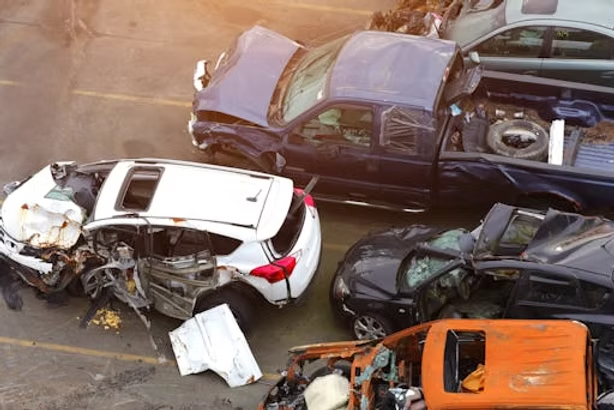
You’ve just been in a car accident on a busy Roanoke street. As you exchange information with the other driver, a sinking feeling sets in—will your insurance actually cover this? Insurance coverage gaps are silent threats that can leave Virginia drivers financially vulnerable when they need protection most.
These gaps occur when there’s a mismatch between what your policy covers and what you actually need after an accident. Whether from force-placed insurance, periods of insufficient coverage during rideshare driving, or exclusions you never knew existed, these insurance blind spots can turn a bad day into a financial catastrophe. Understanding these potential gaps before an accident happens is crucial for every driver in the Commonwealth.
Don’t let insurance gaps catch you off guard in the aftermath of a Roanoke car accident. Reach out to Altizer Law for guidance on navigating these complex issues and securing the protection you deserve. Call us at 540.345.2000 or contact us today to ensure your peace of mind.
Virginia’s Insurance Requirements and Your Legal Protections
Virginia law requires drivers to carry minimum liability insurance of $50,000 for bodily injury or death per one person, $100,000 for bodily injury or death of two or more people, and $25,000 for property damage. However, these minimums often fall short of covering serious accidents. What many drivers don’t realize is that insurance can be force-placed incorrectly by lenders, or there may be disagreements about required coverage, creating dangerous gaps in protection. The impact of insurance lapse on rates should be taken seriously and not underestimated.
For example, if your lender requires comprehensive coverage but mistakenly forces you to place only collision coverage, you could be left without protection from theft, vandalism, or weather damage. Virginia follows a fault-based system for car accidents, meaning the at-fault driver’s insurance is primarily responsible for covering damages. If you discover too late that you have inadequate coverage or fall into an insurance gap, you may face significant personal liability. Understanding these nuances of Virginia insurance law is essential for legally and financially protecting yourself.
Common Insurance Gaps and When They Typically Occur
Insurance coverage gaps don’t happen randomly—they tend to occur at specific times or under particular circumstances. Being aware of these vulnerable periods can help you take proactive steps to maintain continuous protection. The timing of a car insurance lapse can dramatically impact your financial security and legal standing after an accident.
-
Force-placed insurance gaps: These occur when your lender places insurance on your behalf—often after a lapse in your coverage—but the policy may not include the comprehensive protection you actually need. These policies primarily protect the lender’s interest in the vehicle rather than your personal liability or medical needs.
-
Rideshare coverage gaps: Most personal auto insurance policies contain specific exclusions when using your vehicle for livery services like Uber or Lyft. This creates a particularly dangerous “Period 1” gap when your app is on but you haven’t yet accepted a ride—during this time, neither your personal policy nor the rideshare company’s insurance may provide adequate coverage.
-
Policy renewal gaps: Even a one-day lapse between policy expirations and renewals can leave you completely unprotected and potentially facing legal penalties for driving uninsured in Virginia.
-
Excluded driver scenarios: If someone in your household is specifically excluded from your policy but drives your car anyway, any accident they cause will likely result in a complete coverage denial.
-
Business use exclusions: Using your personal vehicle for business purposes without appropriate coverage can trigger exclusions that leave you financially exposed in the event of an accident during business activities.
Closing the Coverage Gaps: How an Auto Insurance Lawyer in Roanoke Can Help
Identifying and resolving insurance coverage gaps requires both proactive planning and sometimes legal intervention after an accident. If you’ve already experienced a claim denial due to a coverage gap, a car insurance lawyer in Roanoke can review your policy, the circumstances of the denial, and fight for the coverage you deserve. At Altizer Law, we’ve helped countless Virginia drivers navigate the complexities of insurance disputes and claim denials. We understand that insurance companies may sometimes unfairly deny coverage by broadly interpreting exclusions or narrowly interpreting coverage provisions.
Taking immediate action is crucial—document all communications with your insurance company, obtain a written explanation for any claim denial, and preserve all evidence from the accident scene. While reviewing your existing coverage, consider adding endorsements like gap car insurance, non-owned auto coverage, or umbrella policies to provide additional layers of protection. Remember that Virginia law provides certain protections even when insurance falls short, and an experienced attorney can help identify all possible avenues for recovery.
The Hidden Dangers of Rideshare Insurance Gaps in Virginia
The growing popularity of rideshare services has created new and complex insurance challenges for Virginia drivers. Most personal auto insurance policies contain explicit exclusions when a vehicle is used for “delivery purposes,” meaning transporting passengers or goods for hire. This creates a significant risk for drivers who work for companies like Uber, Lyft, or food delivery services. The coverage situation for rideshare drivers is typically divided into three periods: when the app is off (covered by personal insurance), when the app is on but no ride has been accepted (partial coverage from rideshare companies), and when actively transporting passengers (fuller coverage from rideshare companies).
The middle period—sometimes called “Period 1″—represents the most dangerous gap, as many rideshare drivers lack physical damage coverage for their own vehicle during this time unless they’ve obtained additional coverage from their personal auto insurer. This means if you’re hit while waiting for a ride request, you could find yourself with minimal liability protection and no coverage for your own vehicle damages.
Rideshare Insurance Solutions
To address the rideshare coverage gap, some insurance companies now offer rideshare endorsements or hybrid policies. These are specifically designed for drivers who use their vehicles for both personal and rideshare purposes. These policies typically provide continuous coverage across all three periods of rideshare driving, eliminating dangerous gaps. The cost of these endorsements varies, but generally adds to your premium, significantly less expensive than commercial insurance policies.
We’ve seen many clients who assumed their standard policy would cover occasional rideshare driving, only to face devastating financial consequences when an accident occurred during that critical gap period. The pitfalls of a car insurance lapse are often worse than most people realize. Our firm recommends that all rideshare drivers explicitly discuss their driving activities with their insurance agent and get written confirmation of coverage for all driving periods.
Force-Placed Insurance: When Your Lender’s Coverage Leaves You Exposed
Force-placed insurance occurs when your auto lender purchases insurance on your behalf. This is usually because you’ve allowed your own policy to lapse or failed to maintain the coverage required by your loan agreement. While this might sound like a helpful safety net, force-placed insurance primarily protects the lender’s interest in the vehicle, not your financial well-being. These policies are often more expensive than standard coverage and provide significantly less protection for you. Insurance may be force-placed incorrectly or due to disagreements about the required coverage, creating dangerous gaps in your protection. For example, your lender might only require collision coverage to protect their investment, leaving you without liability coverage if you cause an accident or without comprehensive coverage if your vehicle is stolen or damaged by weather events.
Disputing Incorrectly Force-Placed Insurance
If you believe your lender has incorrectly force-placed insurance on your vehicle, you have rights under federal regulations. Lenders must provide notice before and after placing insurance, give you information about the policy, and cancel it promptly when you provide evidence of your own coverage. Document all communications with your lender regarding your insurance status, and provide proof of adequate coverage as quickly as possible to minimize the time you’re stuck with force-placed insurance. If disputes arise, Virginia law provides consumer protections against unfair insurance practices. Keep in mind that even if the force-placed policy is technically correct, it likely leaves significant gaps in your overall protection that could prove financially devastating after an accident.
Uncovered Scenarios: When Standard Virginia Auto Policies Fall Short
Even drivers who maintain continuous insurance coverage may discover too late that certain scenarios fall outside their policy’s protection. There is growing concern about insurance coverage gaps that may occur in the event of accidents or injuries in less common situations. Standard personal auto policies often contain exclusions and limitations that aren’t apparent until you’re facing a claim denial. This can have a ripple effect, impacting the average settlements for Virginia car accidents more than most people realize.
For instance, many policies exclude coverage for intentional acts, street racing, or when the vehicle is being used in ways materially different from what was disclosed on the application. If you regularly use your personal vehicle for business purposes beyond commuting—such as delivering goods, transporting work equipment, or visiting clients—your personal policy may not cover accidents that occur during these activities unless you’ve added specific endorsements.
The Named Driver Exclusion Trap
A particularly dangerous gap involves named driver exclusions—provisions that specifically exclude certain individuals from coverage under your policy. These exclusions are often added to keep premiums affordable when someone in your household has a poor driving record. However, if that excluded person drives your car with your permission and has an accident, your insurance company can deny coverage completely. This leaves both you and the excluded driver personally liable for all damages. Similarly, permissive use provisions vary between policies—some provide full coverage for anyone you allow to drive your car, while others reduce coverage limits or increase deductibles for non-listed drivers. Understanding these nuances before lending your car can prevent devastating financial surprises after an accident.
Frequently Asked Questions
-
What should I do if I discover a gap in my auto insurance after a Roanoke car accident?
If you discover an insurance gap after an accident, contact a Roanoke car accident attorney immediately. Document everything about the accident and your communications with insurance companies. Don’t accept a denial without professional review—sometimes insurance companies misinterpret policy language or incorrectly apply exclusions. An experienced attorney can identify all potential sources of recovery, including liability claims against other parties, uninsured/underinsured motorist coverage, or potential bad faith claims if your insurer improperly denied coverage. Time is critical, as Virginia has strict deadlines for filing insurance claims and lawsuits.
-
How do Virginia auto insurance laws differ from other states regarding coverage requirements?
Virginia requires uninsured/underinsured motorist coverage equal to your liability limits, which can be crucial if you’re hit by a driver with insufficient coverage. As a “fault” state, Virginia requires the at-fault driver to pay for damages, unlike “no-fault” states, where each driver’s insurance covers their own losses regardless of fault. These distinctions make understanding your policy particularly important in Virginia.
-
Can a Roanoke vehicle coverage attorney help if my insurance claim was denied due to a rideshare exclusion?
Yes, a Roanoke vehicle coverage attorney can be invaluable if your claim was denied due to a rideshare exclusion. These cases often involve complex policy interpretation issues and potential coverage from multiple sources. An attorney can analyze whether the rideshare company’s insurance should apply, if your personal policy’s exclusion was properly disclosed and fairly applied, or if other coverage sources exist. They can also evaluate whether you have grounds for a bad faith insurance claim if the denial was improper. Even in clear exclusion cases, an attorney can negotiate with all involved parties to seek the best possible resolution and minimize your personal financial exposure.
-
What are the potential consequences of having a gap in my auto insurance coverage in Virginia?
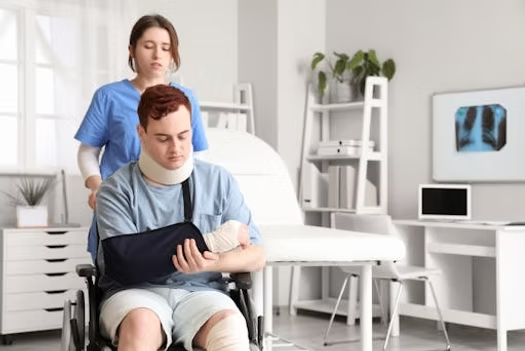
The consequences of an insurance gap in Virginia can be severe. Beyond the obvious financial risk of being uninsured during an accident, you may face legal penalties, including license suspension, registration suspension, and fines if you’re caught driving without insurance. Insurance companies typically charge higher premiums after coverage lapses, even short ones. If you have a car loan or lease, the lender may force-place expensive insurance that primarily protects their interests. Most critically, even a brief coverage gap means you could be personally responsible for all medical bills, property damage, lost wages, and pain and suffering damages if you cause an accident, potentially leading to personal bankruptcy or asset seizure through Virginia insurance claims lawsuits.
-
How can I identify potential gaps in my current auto insurance policy before I need to file a Roanoke accident claim?
To identify potential coverage gaps before they become problems, start by thoroughly reviewing your policy declarations page and the full policy document, paying particular attention to exclusions, conditions, and definitions sections. Consider your specific driving habits: Do you use your car for ridesharing or food delivery? Do you regularly drive other people’s vehicles? Do you have teenage drivers or high-risk drivers in your household? Each of these scenarios presents potential gaps. Schedule an annual “insurance checkup” with your agent to discuss any changes in your driving habits or household. Consider having an independent auto insurance lawyer in Roanoke review your policy if you have complex needs or concerns. Remember that the cheapest policy often contains the most exclusions and limitations, potentially creating dangerous coverage gaps.
Work with an Auto Accident Lawyer
Navigating the complexities of insurance coverage gaps requires knowledge of both insurance practices and Virginia law. A qualified auto accident lawyer can review your specific situation, identify potential sources of recovery, and develop a strategy to protect your interests. Insurance companies have teams of attorneys working to minimize their payouts—having your own legal advocate levels the playing field.
An experienced Virginia car crash attorney can analyze policy language, identify bad faith insurance practices, negotiate with adjusters, and if necessary, take your case to court. When insurance gaps leave you facing significant financial liability, professional legal assistance becomes not just helpful but essential. Your attorney can also advise on policy adjustments to prevent future coverage gaps, ensuring you’re better protected going forward. If you’re dealing with insurance denial or coverage disputes after an accident, consulting with a knowledgeable legal professional is the crucial first step toward resolution.
Don’t let the unexpected catch you off guard after a Roanoke car accident. Secure your peace of mind by reaching out to Altizer Law for guidance on navigating insurance complexities. Give us a call at 540.345.2000 or contact us today.